Blog

  • Skin Purging Explained: Why Your Skin Gets Worse Before It Gets Better

    Skin Purging Explained: Why Your Skin Gets Worse Before It Gets Better

    By Dr. Shefali Mahlawat, Department of Dermatology, NIIMS Medical College & Hospital, Greater Noida

    Skin purging is one of the most confusing—and often frustrating—skin reactions people experience when they begin using new skincare products. Many assume it’s a breakout or that the product isn’t suitable, but in reality, purging is often a normal and even beneficial part of the skin renewal process. Here’s a clear breakdown of what it means and how to manage it.

    What Is Skin Purging?

    Skin purging is a temporary reaction that occurs when active skincare ingredients speed up the skin’s natural shedding process. As cell turnover increases, clogged pores and underlying congestion surface more quickly, leading to small bumps, whiteheads, or mild breakouts—usually in the areas where you typically experience acne. Although it may look concerning, purging often signals that your skincare product is working at a deeper level.

    What Causes Skin Purging?

    Purging is most commonly triggered by ingredients that accelerate cell renewal, such as:

    • Retinoids

    • AHAs and BHAs

    • Vitamin C

    • Niacinamide

    • Chemical exfoliants

    When these active ingredients quicken the turnover cycle, they push out pre-existing congestion, which temporarily appears as breakouts before the skin begins to clear.

    How Long Does Skin Purging Last?

    Purging generally lasts 4 to 6 weeks, which is the time your skin needs to adjust to the active ingredients. If symptoms persist beyond six weeks or worsen significantly, it may indicate irritation, sensitivity, or an allergic reaction rather than purging.

    Is Skin Purging a Good Thing?

    Surprisingly, yes. Purging often indicates that the treatment is functioning beneath the surface. Once the purging stage passes, many people notice:

    • Clearer pores

    • A smoother skin texture

    • A brighter, more even complexion

    However, the reaction should remain mild and manageable—it should not involve severe inflammation or painful cysts.

    How to Tell If It’s Purging or a Breakout

    Because purging resembles breakouts, distinguishing between the two can be tricky. These clues can help:

    1. Location

    Purging occurs in areas where you usually get acne. Breakouts in new locations may suggest irritation.

    2. Timing

    Purging begins shortly after starting a new active product and improves within 4–6 weeks.

    3. Appearance

    Purging typically presents as small, uniform bumps or whiteheads—not deep, painful cystic acne.

    4. Product Type

    If the product increases cell turnover, purging is likely. If not, the reaction may be due to sensitivity or an unsuitable product.

    How to Treat and Manage Skin Purging

    Managing purging requires patience and a gentle approach:

    • Continue using the active ingredient unless severe irritation develops.

    • Reduce usage to 2–3 times per week instead of daily.

    • Support your skin barrier with a gentle, non-comedogenic moisturizer.

    • Use a mild, fragrance-free cleanser and avoid harsh physical scrubs.

    • Apply sunscreen every day, as active ingredients may increase sensitivity.

    • Introduce new actives slowly, following the “low and slow” method.

    If breakouts become painful, very red, or persist beyond six weeks, consult a dermatologist to determine whether it’s purging, irritation, or an allergic reaction.

  • Fortis Hospital Launched Helmet Safety Drive in Collaboration with Local Traffic Police Departments Across Pan India

    Fortis Hospital Launched Helmet Safety Drive in Collaboration with Local Traffic Police Departments Across Pan India

    • Over 1500 helmets and first-aid booklets were distributed across high-footfall traffic zones across all the Fortis hospitals in India

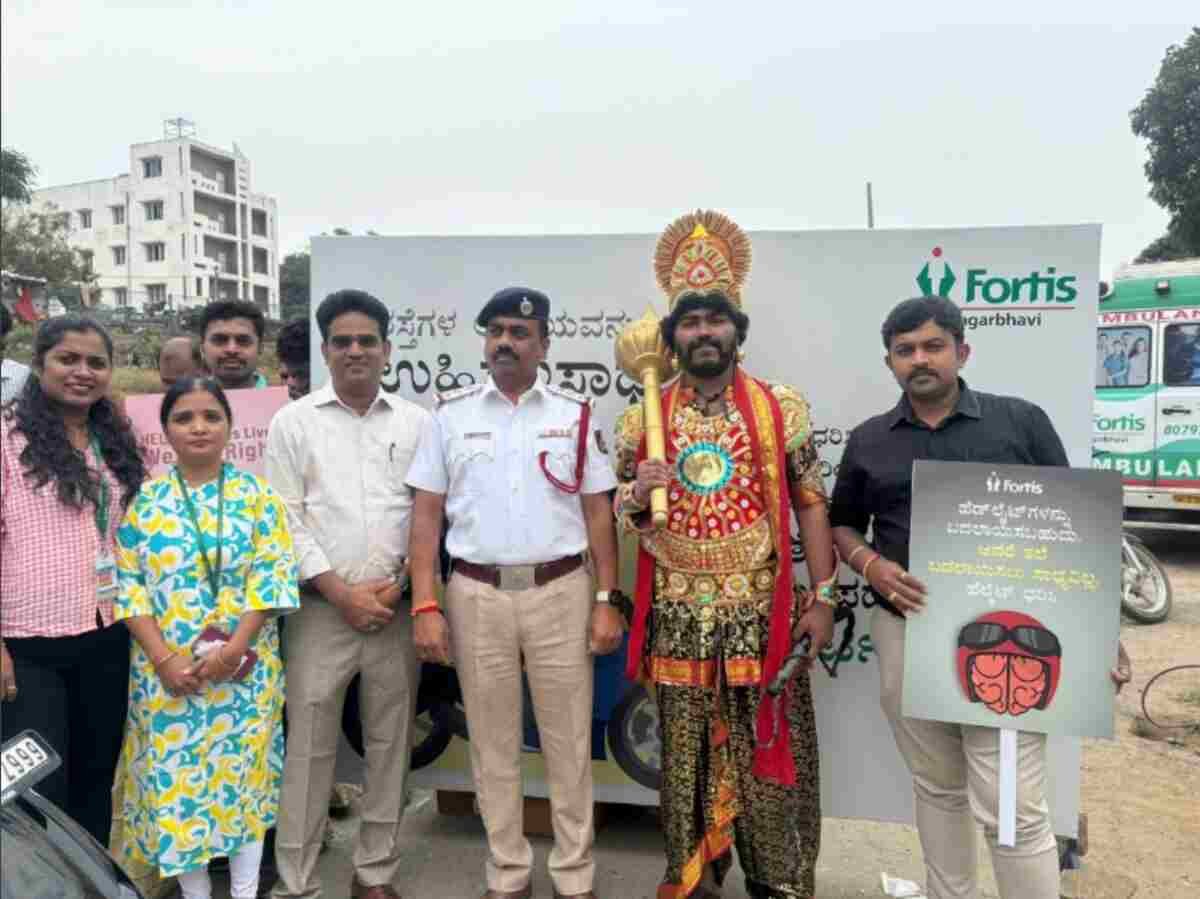
    National: Fortis Healthcare successfully conducted a nationwide helmet safety campaign aimed at promoting road safety and preventing avoidable emergencies caused by two-wheeler accidents. Over 1500 helmets and first-aid booklets were distributed across high-footfall traffic zones across all the Fortis hospitals in India . The initiative took place across multiple Fortis locations pan-India — Delhi, Noida , Manesar , Gurugram ,Jaipur, Ludhiana, Bengaluru, Kolkata, Amritsar and Mohali — in close collaboration with the respective local traffic police departments.

    As part of the campaign, Fortis Hospitals collectively distributed branded helmets along with First Aid booklets to two-wheeler riders found without helmets at high-footfall traffic intersections near their facilities. Specially designed kiosks were installed at key locations to ensure smooth and impactful engagement. Senior representatives from the local traffic police departments, including officials such as DSPs, SPs and other designated authorities, officially inaugurated the activity across all cities.

    Adding a unique and impactful touch to the campaign, the activity featured a person dressed as Yamraj, who distributed helmets to the two-wheeler riders and also engaged in brief awareness interactions with riders, reinforcing them about the life-saving importance of wearing a helmet.

    This drive was aligned with the ethos of the ongoing Fortis Hai Na campaign, which emphasizes preparedness, care and timely response. By encouraging safe riding habits and reducing the likelihood of preventable emergencies, Fortis aims to strengthen its positioning as a trusted healthcare partner during critical moments.

    Talking about the helmet distribution drive, Dr Ritu Garg, Chief Growth & Innovation Officer, Fortis Healthcare said, “Our primary objective through this campaign was to raise awareness about the crucial role helmet usage plays in saving lives. With this initiative, we want to remind riders that a simple precaution can prevent life-changing injuries. Through this activity, Fortis aims to reach a wide audience across cities and reiterate the urgent need for responsible riding. The campaign underscores the organization’s enduring commitment to public safety and proactive healthcare engagement. At Fortis, we remain committed to promoting community well-being and enhancing emergency preparedness.”

    This drive forms a core part of the ‘Fortis Hai Na’ campaign’s on-ground activation strategy, designed to enhance emergency awareness, preparedness, and public trust in Fortis as a reliable healthcare partner. Through this large-scale effort, Fortis Healthcare reaffirms its commitment to community health and safety — taking emergency preparedness beyond hospital walls and into everyday life.

    About Fortis Healthcare Limited  

    Fortis Healthcare Limited is a leading integrated healthcare delivery service provider in India. The healthcare verticals of the company primarily comprise hospitals, diagnostics, and day care specialty facilities. Currently, the company operates 33 healthcare facilities (including JVs and O&M facilities) across 11 states. The Company’s network comprises over 5,700 operational beds (including O&M beds) and 400 diagnostics labs.

  • Students crowd eduVelocity’s University Fair 2025 as global and Indian institutions showcase academic pathways in Chandigarh

    Students crowd eduVelocity’s University Fair 2025 as global and Indian institutions showcase academic pathways in Chandigarh

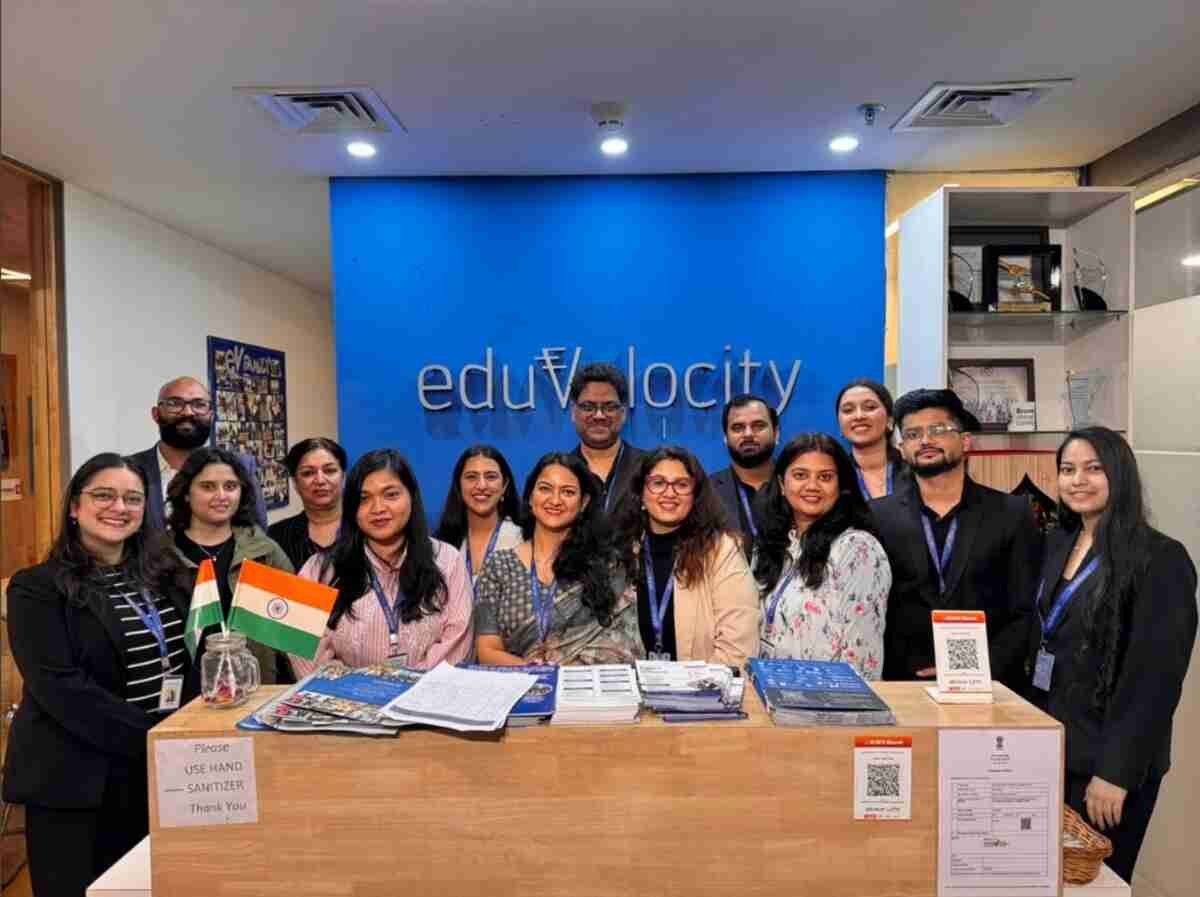
    A strong turnout of students and parents marked eduVelocity’s EV University Fair 2025 on November 18, as leading universities from India, the US, UK, Canada and other regions gathered in Chandigarh to present academic pathways for undergraduate study. The two-hour fair, held at the Elante Offices, drew interest from students in Classes 9 to 12 exploring both Indian and international higher-education options.

    The event brought together a diverse mix of participating institutions, including Ashoka University, SP Jain School of Global Management, OP Jindal University and Plaksha University from India, along with SOAS (London), University of Alberta and Illinois Institute of Technology from abroad. Organisers said the wide representation reflected the rising demand among Indian students for direct interaction with global universities.

    Families used the fair to compare degree structures, understand admissions expectations and explore programmes across STEM, liberal arts, business, design and interdisciplinary fields. University teams responded to queries on scholarships, research opportunities, campus life and post-study prospects, helping students assess where their academic interests aligned.

    The eduVelocity team said students are increasingly looking for clarity early in their academic journeys, particularly as competition for global seats intensifies. Direct meetings with admissions officers, they added, continue to play a key role in shaping student preferences and application strategies.

    “Education is a vital step in shaping our students’ futures, and fairs like these provide excellent opportunities for them to explore the vast and diverse academic and career pathways available to them. We have been organising the eduVelocity University Fair every year in the Chandigarh office, and we enjoy inviting Indian and overseas universities to talk to our students as well as from schools across tricity and help them make their best-fit university and program choices,”, said Mr.Vinu Warrier, Founder & Managing Partner, eduVelocity Global.

    Warrier also said that the event will remain an annual platform connecting universities with prospective applicants and added that future editions will see broader institutional participation and deeper programme representation as interest in global education continues to grow.

  • GeoSmart India 2025 Celebrates Living Legends Who Shaped India’s Geospatial and Space Legacy

    GeoSmart India 2025 Celebrates Living Legends Who Shaped India’s Geospatial and Space Legacy

    New Delhi, 2nd December 2025: The GeoSmart India Conference and Expo 2025 organised by GeoSpatial World held at Bharat Mandapam, New Delhi, featured a special session titled “Living Legends: Space and Geospatial Industry Trajectory.” The session celebrated the visionaries whose pioneering work shaped India’s remarkable journey from manual mapping to becoming a global leader in the space and geospatial domains.

    The session brought together distinguished scientists, technologists, and entrepreneurs who transformed India’s geospatial and space ecosystem through innovation, determination, and foresight. It traced the nation’s evolution from paper-based cartography to advanced satellite systems that now support governance, science, and sustainable development.

    Addressing the gathering, Shri Gajendra Singh Shekhawat, Hon’ble Union Minister of Culture and Tourism, Government of India, underlined the human purpose of technology, stating that “geospatial technology today stands at the heart of India’s transformation; connecting villages, guiding cities, empowering farmers, preserving heritage, and saving lives during disasters.” He added that under Hon’ble Prime Minister Narendra Modi’s leadership, initiatives such as Gati Shakti, Swamitva, and Mera Gaon Meri Dharohar are driving precision governance and sustainable progress, positioning geospatial innovation as a foundation for “a safer, smarter, and more compassionate planet.”

    Speakers reflected on how decades of scientific discovery, policy evolution, and industry participation have expanded India’s technological frontiers. Dr. Manosi Lahiri, Founder and CEO of ML Infomap, recounted the early transformation of the field, observing that “from manual surveys to digital cartography and GIS, technology has revolutionized mapping and spatial analysis.” Her remarks highlighted how this evolution turned static maps into dynamic tools for planning, decision-making, and development.

    Building on this vision, Shri V. S. Kiran Kumar (Padma Bhushan), Former Secretary, Department of Science and Technology, spoke of India’s rise from a developing nation to a space leader, noting that “India’s transformation reflects the foresight of pioneers like Dr. Vikram Sarabhai.” He emphasized that new technologies must continue to act as drivers of societal advancement, good governance, and sustainability.

    Dr. B. V. R. Mohan Reddy (Padma Shri), Founder and Former Executive Chairman of Cyient, highlighted India’s emergence as a data-driven economy, observing that geospatial technology has become an essential layer across industries. He said that as artificial intelligence, sensors, and space technologies come together, success will depend on India’s ability to continuously innovate and adapt to an ever-changing environment.

    From a scientific perspective, Dr. Shailesh Reddy (Padma Shri), Director, National Institute of Advanced Studies, pointed out that “geospatial technology and Earth system science have revolutionized our understanding of the planet, from ocean tides and cyclone formation to ecosystem monitoring and climate change.” He emphasized that this knowledge is now central to achieving sustainability and resilience in global development.

    Adding an applied industry viewpoint, Shri Saroop Chand, Director, Adroitec Information Systems, reflected on how technology has bridged the gap between data and action. He described how integrating GIS with infrastructure projects and creating 3D-printed terrain models for defense planning have strengthened India’s capabilities in precision mapping and self-reliant innovation.

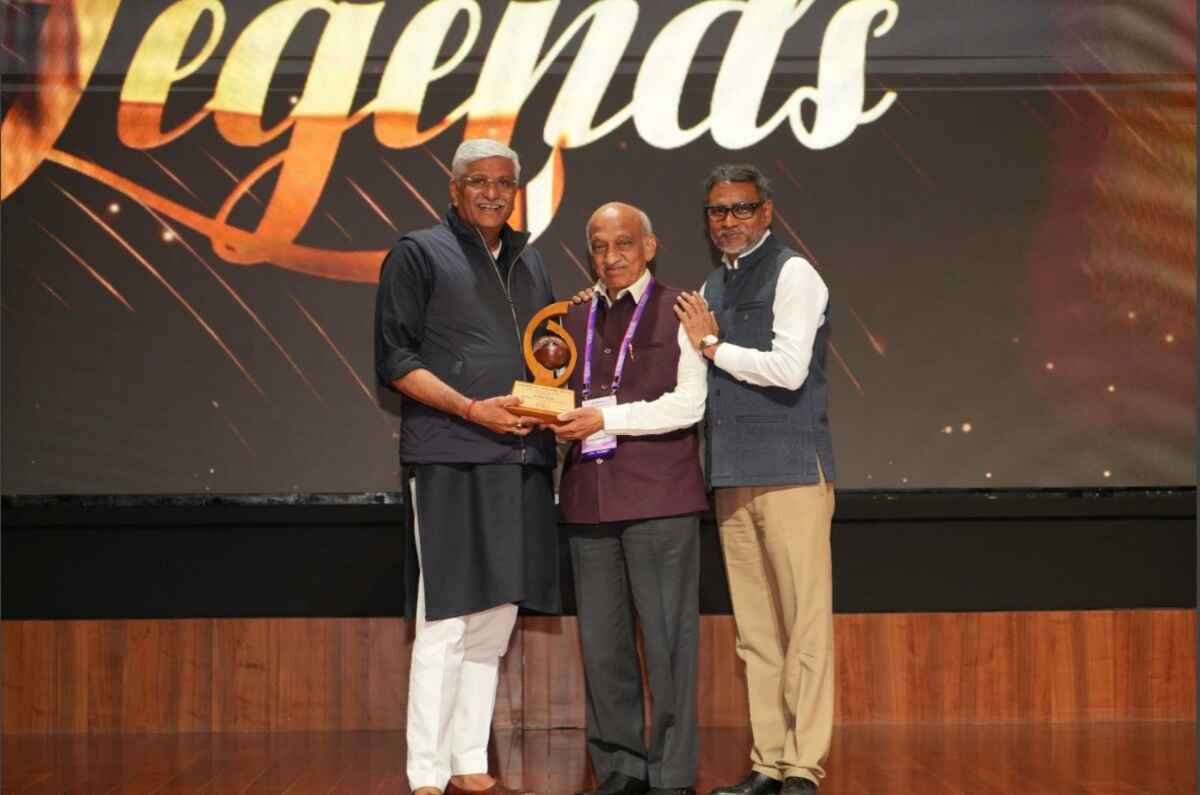
    The Living Legends Awards were presented by Chief Guest Shri Gajendra Singh Shekhawat, Honourable Union Minister of Culture and Tourism, Government of India, in recognition of eight pioneering individuals whose lifelong contributions have shaped India’s geospatial and space ecosystem. The awardees included Dr. Shailesh Nayak, Prof. V. S. Ramamurthy, Dr. Manosi Lahiri, Shri A. S. Kiran Kumar, Dr. B. V. R. Mohan Reddy, Shri K. K. Singh, Shri Rajendra Pawar, and Shri Saroop Chand, each honoured for advancing innovation, research, and leadership that positioned India as a global geospatial powerhouse.

    The session concluded with a collective reflection on India’s transformation from traditional surveys and manual cartography to digital twins and intelligent satellite systems, symbolizing how far the country has come in blending technology with purpose.

    By honouring these stalwarts, GeoSmart India 2025 celebrated not only India’s scientific legacy but also its enduring spirit of innovation and collaboration, reaffirming the nation’s commitment to a future where geospatial and space technologies power inclusive growth, sustainability, and global leadership.

  • Lunch Break Lasers: How Advanced Technology Transforming Aesthetic Dermatology for Working Professionals

    Lunch Break Lasers: How Advanced Technology Transforming Aesthetic Dermatology for Working Professionals

    Today’s fast-paced world,the demands professionals constantly seek ways to balance self-care with their demanding schedules. The desire for healthy, radiant skin is growing stronger , but the traditional approach, often involving lengthy procedures and extended downtime, has long been a roadblock that needs to be worked around. Enter the era of ‘lunch break lasers,’ a game-changing trend made possible by  the entry of this new category advanced 650-microsecond laser technology, which is redefining what’s possible for individuals who are  hard pressed for time to make room for procedures that often derail their schedule. For working professionals, this means investing in their appearance without sacrificing productivity or privacy.

    The Rise of Lunch Break Lasers

    The concept of “lunch break lasers” refers to minimally invasive laser treatments that can be completed in under 25  minutes, allowing patients to return to work or daily activities immediately after their session. This approach is particularly appealing to professionals as there is no down time post procedure or who wish to maintain discretion about their cosmetic treatments.  By delivering ultra high fluence and short pulses, the technology targets specific skin concerns without overheating surrounding tissues. The precision with which the procedure is carried out reduces the risk of burns, pigmentation changes, and discomfort, common drawbacks of older laser systems. The result is a safer, more efficient treatment experience that fits seamlessly into a busy lifestyle.

    The Game Changing Impact of Advanced Technology

    Quick, Comfortable Treatments: Sessions typically last between 20 to 30 minutes, making them ideal for a lunch break appointment. The treatment is virtually painless, with most patients describing only a mild warming sensation. There is no need for numbing creams or elaborate preparation, and patients can immediately resume work or social activities. This convenience allows even the busiest individuals to fit effective skincare into their daily routines without disruption. The unique 650-microsecond pulse duration delivers energy quickly enough to avoid overheating the skin, resulting in a comfortable experience. The laser’s gentle approach means it can be used without topical anesthetics, messy gels or downtime post procedure.

    No Downtime, No Tell-Tale Signs: One of the biggest advantages of this innovative technology is its ability to target skin concerns without causing thermal damage to surrounding tissue, minimizing post-treatment inflammation. Neo Elite operates at 650 micro second, shorter that the skin’s 800 micro second Thermal Relaxation Time (TRT) ensuring minimal epidermal thermal exposure. Unlike traditional lasers that may require days of recovery, this advanced technology leaves the skin looking refreshed, often with an immediate glow, so professionals can return to meetings or presentations without concern. As a result, there’s no need to plan treatments around your social calendar or professional commitments.

    Versatile Solutions for Multiple Concerns: From persistent acne to pigmentation on the skin to skin rejuvenation to pigmentation on the skin to skin rejuvenation to signs of aging, ‘lunch break laser’ addresses a spectrum of skin issues. For professionals juggling multiple responsibilities, this means fewer appointments and more comprehensive results. The technology’s adaptability makes it a one-stop solution for a variety of aesthetic needs, streamlining the path to healthier skin.

    Safe for All Skin Types: Doctors use lasers very cautiously on Indian skin and further darker ones as Many laser devices are limited in their use on darker skin tones due to the risk of pigmentation changes. Being FDA-cleared for all skin types, it’s an inclusive solution for diverse workplaces and clientele. This ensures that everyone, regardless of complexion, can benefit from advanced laser treatments with confidence. This break-through technology allows it to treat all skin types safely, including Fitzpatrick skin types I–VI.

    The Road Ahead

    In summary, the emergence of “lunch break laser” treatments is setting a new benchmark in aesthetic care. By delivering fast, safe, and effective results, this advanced technology empowers individuals to take charge of their skin health without disrupting their busy routines. In today’s fast-paced world, where time is a precious commodity, these innovative treatments make it easier than ever to look and feel your best, no matter how hectic your schedule may be. Ultimately, such advancements are not just transforming skincare; they are redefining convenience and accessibility in self-care, ensuring that radiant, healthy skin is within everyone’s reach.

    Written By: Mr. Madhusudhan HK, Country Manager at Aerolase

  • New BEST Centre at Mahindra University to Boost Engineering Skills in Smart Manufacturing & Firmware

    New BEST Centre at Mahindra University to Boost Engineering Skills in Smart Manufacturing & Firmware

    Mahindra University Announces Strategic Partnership with Bajaj Auto

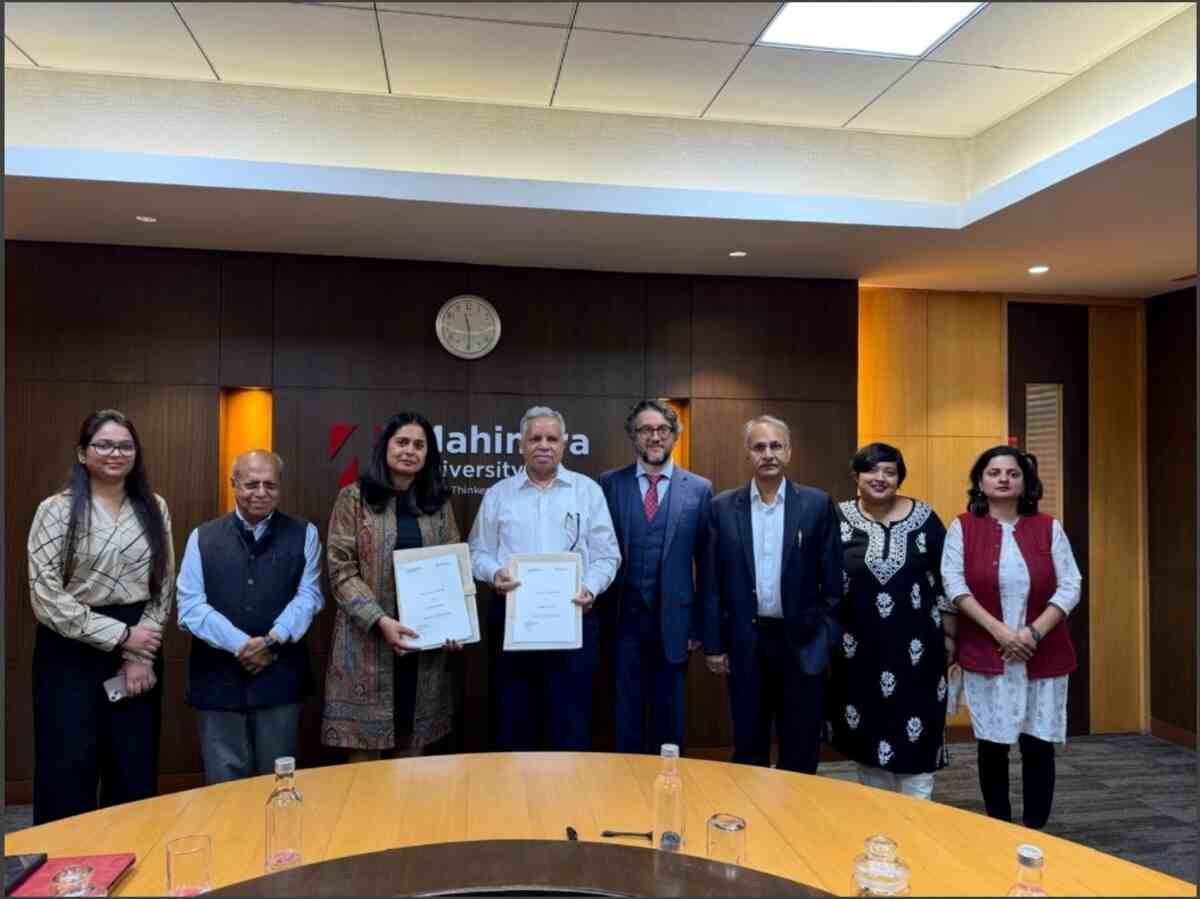
    Hyderabad/New Delhi, 26th November 2025: Mahindra University has officially partnered with Bajaj Auto Limited (BAL) to establish the Bajaj Engineering Skills Training (BEST) Centre on its campus—making it the first private institution in Telangana to host this advanced skill development initiative. Supported under Bajaj Auto’s flagship CSR programme, BEST, the Centre will equip engineering students with industry-ready expertise across two major verticals: advanced manufacturing (Industry 4.0 & IIoT) and firmware development.

    MoU Signing Marks a Major Milestone

    The MoU was signed in the presence of:

    • Dr Yajulu Medury, Vice Chancellor, Mahindra University

    • Mr Sudhakar Gudipati, Vice President, CSR, Bajaj Auto Ltd.

    Faculty members and representatives from Bajaj Auto were also present to witness the announcement.

    Industry-Aligned Curriculum and State-of-the-Art Infrastructure

    As part of the collaboration, Bajaj Auto will play a key role in building and empowering the BEST Centre.

    • The curriculum has been crafted by expert engineers from Bajaj Auto, addressing industry needs and bridging academic gaps.

    • Bajaj Auto CSR will sponsor modern equipment and infrastructure for both technology verticals, reinforcing its commitment to empowering India’s youth and strengthening engineering education.

    University Leadership Highlights Vision for Future-Ready Education

    Emphasising the significance of this partnership, Dr Yajulu Medury, Vice Chancellor, Mahindra University, said:

    “With the evolving demands of diverse industries, we aim to ensure that students gain practical exposure to the technologies shaping the future. By deepening our engagement with industry partners, we ensure academic learning remains aligned with industry needs. Through the BEST Centre, we will enrich the academic experience, contribute to India’s technological leadership and strengthen the national skill ecosystem.”

    Training Extended to External Students

    The BEST Centre will not only serve Mahindra University students but will also offer short-term, internship-based training programmes to final-year engineering students from outside the university—providing wider access to industry-ready skills.

    Bajaj Auto CSR Reinforces Commitment to Skill Development

    Expressing enthusiasm about the collaboration, Mr Sudhakar Gudipati, Vice President, Bajaj Auto Ltd., stated:

    “We are delighted to sign the first MoU in Telangana with Mahindra University to set up the BEST Centre. This state-of-the-art facility will focus on Industry 4.0 Smart Manufacturing and Firmware Development. Integrating industry-oriented curriculum into the regular B.Tech course will ensure graduates are industry-ready and able to secure jobs in core engineering sectors.”

    BEST Programme: Transforming Engineering Education Nationwide

    The BEST Programme, a flagship CSR initiative of Bajaj Auto, is being implemented in partnership with India’s leading universities and engineering colleges. It aims to:

    • Bridge the widening gap between academic instruction and emerging industry requirements

    • Enhance the employability of engineering graduates

    • Offer hands-on exposure through modern laboratories, real-world learning modules, and contemporary curricula

    A First for Telangana’s Private Higher Education Sector

    With Mahindra University becoming the first private institution in Telangana to host a BEST Centre, the initiative will play a pivotal role in cultivating advanced skills in core engineering domains and creating a strong talent pipeline for the future.

  • Dr. Sarojini Naidu Award 2025: Sheena Chohan Honoured as ‘Sant Tukaram’ Impresses at IFFI Goa

    Dr. Sarojini Naidu Award 2025: Sheena Chohan Honoured as ‘Sant Tukaram’ Impresses at IFFI Goa

    Actress Sheena Chohan, known for her ability to understand and fit into characters, has added a significant milestone to her journey as she was honoured with the Dr. Sarojini Naidu – The Nightingale of India – International Award for Working Women (2025). The prestigious ceremony, held at Marwah Studios, Noida, recognises outstanding women achievers across industries and is curated by *Dr. Sandeep Marwah and AAFT.

    This achievement comes at a particularly special moment for Sheena, who is currently preparing for the release of her Telugu debut, a crime thriller where she plays a cop opposite JD Chakravarthy and then her Hollywood film, directed by Taron Lexton, who recently worked on Mission Impossible 8.

    Sheena is currently in *Goa attending the masterclass sessions at the Goa International Film Festival. The actress has been actively participating in industry interactions, screenings and discussions, where her recent film **‘Sant Tukaram’* has been earning widespread praise. Several acclaimed directors and producers at the festival have applauded the film’s emotional depth, spiritual resonance and Sheena’s heartfelt performance — a portrayal that many believe is “educating audiences through pure word of mouth.”

    Speaking about receiving the accolade, Sheena shared an emotional note:
    “It is a deep honour to receive the Dr. Sarojini Naidu International Award. Sarojini Naidu’s legacy — as a poet, activist and trailblazer — inspires my work, and I dedicate this recognition to the team behind Sant Tukaram and to women artists everywhere.”

    The honour reflects Sheena’s consistent commitment to meaningful cinema and her growing influence as an artist who uses her craft to spark conversation and reflection. Her portrayal in Sant Tukaram has especially struck a chord, with many industry insiders highlighting the film’s ability to inspire audiences across generations.

    As Sheena continues her journey at IFFI Goa, meeting creators, attending screenings and engaging with global cinema, her award win stands as a powerful reinforcement of her artistic spirit — one that blends purpose, performance and passion.

    With Sant Tukaram gaining momentum and her recognition at the Dr. Sarojini Naidu Awards, 2025 is shaping up to be a defining year for Sheena Chohan.

  • T-Series’ Hanuman Chalisa: India’s Only Video to Cross 5 Billion

    T-Series’ Hanuman Chalisa: India’s Only Video to Cross 5 Billion

    T-Series and Bhushan Kumar mark a defining moment in India’s digital and devotional music space as Shri Gulshan Kumar’s iconic Hanuman Chalisa crosses 5 billion views. With this milestone, it becomes the only Indian video to achieve this feat and earns a spot in YouTube’s global Top 10 most-viewed videos of all time.

    Rendered soulfully by Hariharan and composed by Lalit Sen, this timeless rendition continues to be a powerful source of faith, strength, and spiritual connection for millions across the globe. Its universal appeal and emotional resonance have made it one of the most cherished devotional chants worldwide.

    Bhushan Kumar, Managing Director of T-Series, expressed his gratitude, saying: “Hanuman Chalisa holds a special place in the hearts of millions, including mine. My father, Shri Gulshan Kumar ji, devoted his life to taking spiritual music to every household, and this milestone is a reflection of his vision. Crossing 5 billion views and also being YouTube’s top 10 most viewed videos of all time is not just a digital achievement; it reflects the unwavering devotion people have in this country. We are humbled and honoured that T-Series has been able to bring this sacred chant to devotees across the world. This accomplishment inspires us to keep creating content that uplifts, connects, and celebrates India’s spiritual heritage.”

    With over 5 billion views, Hanuman Chalisa stands as a powerful testament to the devotion of millions, the spiritual force of the chant, and the vision of T-Series, rooted in Gulshan Kumar ji’s legacy and carried forward by Bhushan Kumar.

  • Leaders, Experts & Youth Unite at India Dialogue Conclave 2025: A National Call for Visionary Dialogue on ‘Brand Bharat’

    Leaders, Experts & Youth Unite at India Dialogue Conclave 2025: A National Call for Visionary Dialogue on ‘Brand Bharat’

    • Conclave showcases powerful debates, expert panels and the launch of ‘Destination India’—shaping the roadmap for a progressive and inclusive Bharat
    • AI can serve as a unifying thread for India, closing gaps between societies and fostering meaningful dialogue, collective growth, and national development: Bansuri Swaraj
    • A woman can be highly educated and accomplished, yet when she attempts to progress, resistance and barriers still emerge: Mumtaz Patel

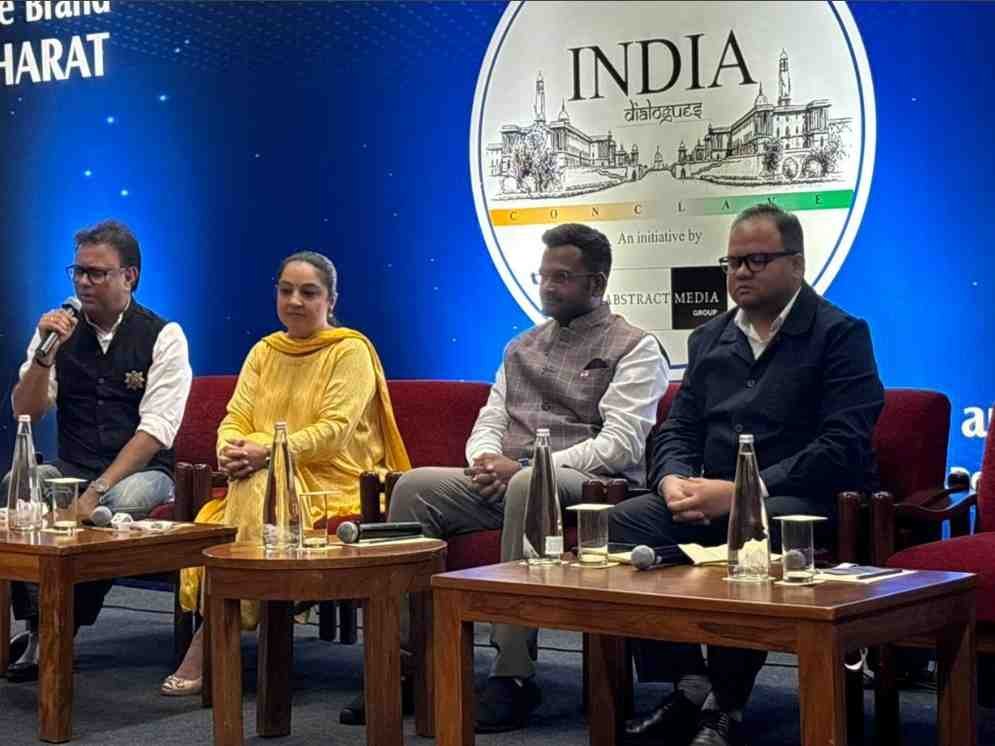
    3rd edition of The India Dialogue Conclave 2025 concluded on Sunday at Jacaranda Hall, India Habitat Centre, with a series of powerful and thought-provoking discussions. The 3rd edition of the conclave was organized on the theme “The Brand Bharat”, bringing together prominent political leaders, policy experts, and thought leaders for a day of high-impact dialogue on India’s rapidly transforming socio-political and developmental landscape.

    Key conversations explored crucial subjects including Urban Growth and Cultural Roads in Delhi, AI in Governance, the Need for Smart Cities, Operation Sindoor, Muslim Women in Lok Sabha, Politics in Haryana, and the launch of the book “Destination India.”

    The event began with lamp lighting, followed by the first session “Master Strokes in 2025,” featuring Abhijit Iyer-Mitra, Pradeep Bhandari, Aditya Raj, and Sandeep Unitha. Discussing the recent Delhi and Bihar election results, Pradeep Bhandari, National Spokesperson of BJP said, “People today have strong faith in democracy. He emphasized that citizens are confident in democratic processes, actively participating and trusting that their voice truly matters in shaping the nation’s future. Speaking on Operation Sindoor 2.0 he adds, “This reminds us of the resolve expressed by our Prime Minister—nuclear blackmail will not be tolerated, and there will be no difference between state and non-state actors. That statement was deeply analysed across the world, and it changed strategic thinking in the region. Pakistan continues to operate with a jihadi mindset and has shown no signs of reform. A nation driven by extremism cannot foster peace. India’s clarity and decisive approach are essential for long-term stability and security.”

    Sharing his views Abhijit Iyer-Mitra said that a masterstroke is never accidental; it is the outcome of strong planning, strategic thinking, and effective leadership that anticipates challenges and delivers impactful results. While discussing terrorism he said, “It is important to understand the difference between insurgency and terrorism. In Kashmir today, terrorism has largely ended, but insurgency still exists. Nearly 55% of the population once depended on the terror ecosystem, including networks of confidential informers. When a majority’s livelihood is tied to terrorism, eliminating it becomes a complex challenge. True peace begins only when society chooses stability over fear and development over destruction.”

    The second session, titled “Hashtags to Ballot Box: Role of Youth in Politics,” focused on the increasing participation and influence of young voices in India’s democratic processes. Distinguished speakers Charu Pragya, Saral Patel, and Abhinav Prakash shared their insights on how social media engagement is shaping political narratives and encouraging youth to transition from online activism to active participation in governance. Charu Pragya said, “Youth politics holds immense importance for us. Every year, we lead a movement that sees massive youth participation. It is essential for young voices to step forward. In Bihar too, the youth played a crucial role. Today’s generation clearly understands what is right for the nation.”

    The session “Beyond Entertainment: Role of Reading” featured insightful perspectives from Aditi Maheshwari and Shantanu Roy Choudhary, moderated by Iti Khurana.

    Bansuri Swaraj, Member of Parliament from the New Delhi Constituency, shared insightful views on the transformative role of Artificial Intelligence in strengthening local governance. She said, “Prime Minister Narendra Modi said that AI for India represents an aspirational India, focused on progress and innovation. He emphasized that the adoption of Artificial Intelligence will significantly enhance efficiency in governance and public service delivery. Early adoption of AI could contribute nearly 600 billion US dollars to India’s GDP, he noted. PM Modi clarified that he does not see AI as a substitute for human intelligence, but as a powerful tool to improve decision-making and productivity. In local governance, AI is transforming processes—examples like the UMANG portal show how citizen services are becoming more efficient. Dashboards are turning into classrooms, enabling real-time learning and monitoring in crucial sectors like water, electricity, and infrastructure, ensuring widespread public benefit. It will make the Govt people friendly.”

    She added, “AI has the power to unite India by connecting regions, languages, and communities, and by strengthening dialogue, collaboration, and progress. Viksit Bharat’s rapid growth is not just a dream but a national sankalp. Artificial Intelligence will play a crucial role in achieving this vision by boosting efficiency, enabling innovation, and accelerating development across every sector.”

    Devendra Yadav, Delhi Congress President, shared his perspective on the vital role of opposition in a healthy democracy. He said, “The opposition plays a vital role in Indian politics by ensuring accountability, transparency, and balance in governance. It represents diverse public voices, raises critical issues, and questions government decisions. Through constructive criticism and debate, the opposition strengthens democratic values, protects citizen rights, and helps shape effective policies for national progress.”

    The final session of the program, titled “Muslim Women in Lok Sabha,” brought together an engaging panel featuring Shazia Ilmi, Mumtaz Patel, a social activist and an active voice in public life (daughter of the late leader Ahmed Patel )and Zainab Sikandar, a renowned author, journalist & political analyst.

    Speaking on the topic Mumtaz Patel said, “Even today, if you go to villages, a deeply conservative environment still exists. In public life, women inevitably face challenges—especially in a male-dominated society. Muslim women struggle with many restrictions: we are not allowed in mosques, we cannot visit graveyards because men object. When my father passed away and I went to kabristan, people talked and judged. No matter how educated you are, when women try to move forward, barriers still rise before them.”

    Zainab Sikandar said, “In many parties, leadership is still male-dominated and rooted in farmer bases—yet how many women farmer leaders do we actually see? If we remove dynastic families, very few women from ordinary households enter politics. Why don’t major political parties nurture women leaders? Even in Bihar, NDA’s victory was shaped by women voters. I offer namaz, I fast, and I may not wear a dupatta—does that make me less Muslim? Our identity is not defined by how we look.”

    Swati Sharma, Organizer, India Dialogue Conclave 2025 said, “India Dialogue Conclave is our humble effort to bring meaningful and responsible conversations into the mainstream. With ‘The Brand Bharat’ as this year’s theme, our aim was to create a platform where leaders, experts and young voices could exchange ideas that shape the future of our nation. We believe discussions around governance, culture, technology, and social transformation are essential for building a stronger and more inclusive Bharat. The overwhelming response and participation reaffirm our belief that informed dialogue is the strongest foundation of democracy.”

    In the event, the book written by the founder of the event Swati Sharma and advertising expert Sarvesh Tiwari, “Destination India” was launched by Bansuri Swaraj. The book is a journey to insight how the branding and remarkable advertising of Indian cities boosted tourism in India and made place for India on the global tourism map.

    The India Dialogue Conclave 2025 concluded on a promising and optimistic note, celebrating a day filled with insightful conversations, bold ideas, and diverse perspectives that truly captured the spirit of The Brand Bharat.
  • Design Guru Day 2025 Highlights India’s Mobility Future as WUD Honours Prof. Geetam Tiwari

    Design Guru Day 2025 Highlights India’s Mobility Future as WUD Honours Prof. Geetam Tiwari

    Acknowledged as Design Guru for three decades of path-breaking contributions to sustainable transport and public safety design

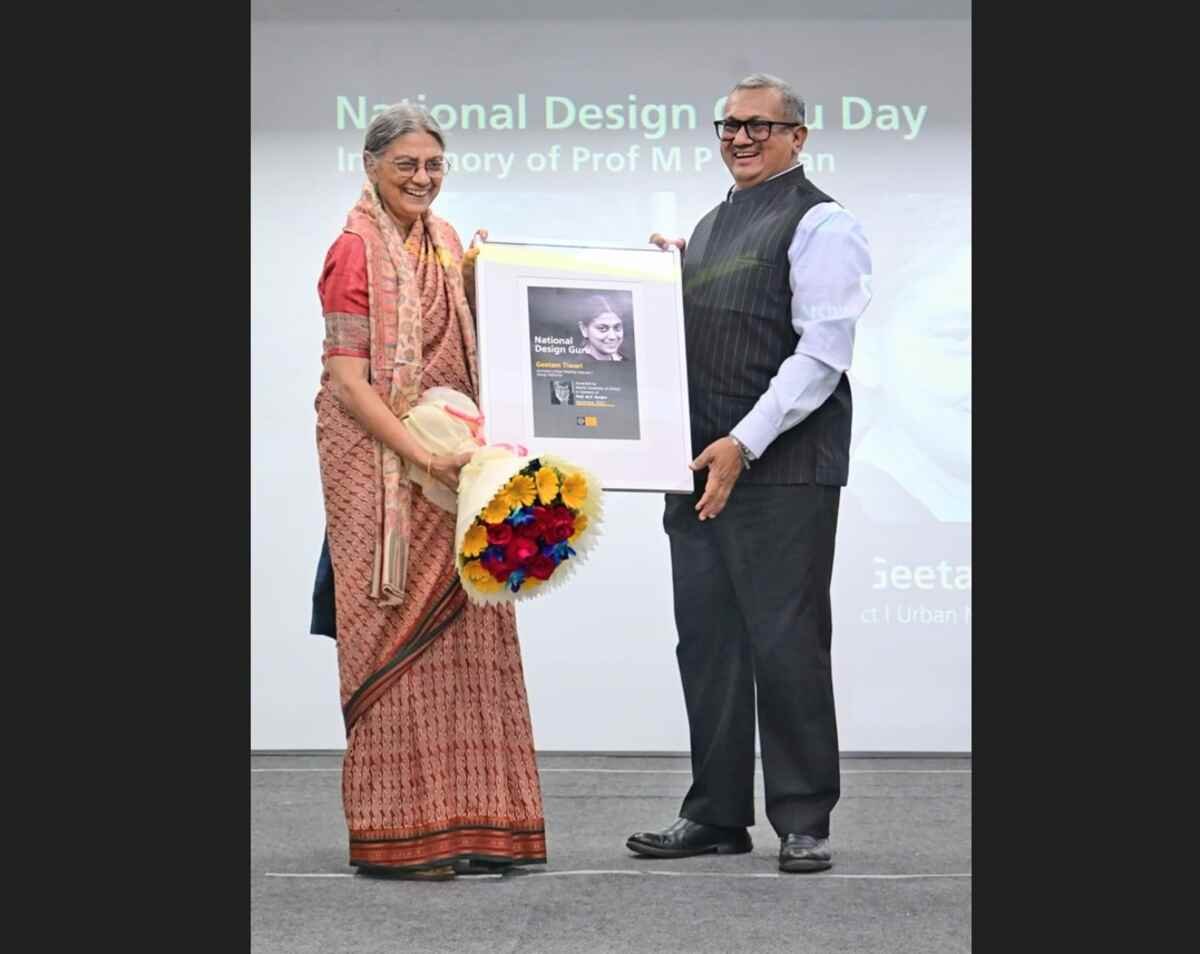
    New Delhi, 25th November 2025: Professor Geetam Tiwari, a leading voice in sustainable transport and urban mobility, was felicitated with the Design Guru Award 2025 by the World University of Design (WUD). Her work over three decades has significantly shaped the way Indian cities approach mobility, road safety, and inclusive transport planning.

    Prof. Tiwari’s research has informed major national initiatives, including India’s National Urban Transport Policy, safe-street design frameworks, and pedestrian- and cyclist-focused mobility guidelines. Her evidence-based approach has contributed to improvements in bus systems, non-motorised transport infrastructure, and urban safety interventions across multiple Indian cities.

    Recognised globally for her contributions to transport design and public safety, Prof. Tiwari has also played a central role in nurturing the next generation of mobility researchers and policymakers through her leadership at IIT Delhi’s Transportation Research and Injury Prevention Centre (TRIPP), one of the world’s foremost interdisciplinary centres in this domain.

    National Design Guru Day, observed annually on 9 November, honours the pioneering generation of design educators who laid the foundations of design education in India. The felicitation coincides with the birth anniversary of the late Prof. M.P. Ranjan, one of the country’s most influential voices in design thinking and education.

    Speaking on the occasion, Dr. Sanjay Gupta, Vice Chancellor, World University of Design, said, “The Design Guru Award allows us to recognise individuals whose work has transformed the landscape of design practice and education in India. Prof. Tiwari’s contributions demonstrate how design thinking can inform public systems and influence the lived experience of millions. Her work exemplifies the expanding role of design in addressing complex societal challenges.”

    Over the years, WUD has conferred the Design Guru Award on several distinguished figures including Prof. A.G. Krishna Menon, Prof. Iftikar Mulk Chishti, Shri Rajeev Sethi, Prof. Jatin Bhatt, Prof. Archana Shastri, and Ms. Laila Tyabji—each playing a significant role in shaping contemporary design practice and education.

    This year’s award recognises Prof. Tiwari’s sustained scholarship on how design, behaviour, and policy intersect in everyday mobility. Her work continues to serve as a reference point for students, researchers, and policymakers working at the intersection of transport, safety, and urban equity.

    As India’s first university devoted exclusively to creative education, the World University of Design, located in Sonipat, Haryana, offers programs across design, fashion, architecture, communication, visual arts, and management. Through its academic and research initiatives, WUD aims to contribute meaningfully to emerging conversations on the future of design and its role in shaping public life.

    About World University of Design

    The World University of Design (WUD), founded in 2018, is a prominent institution located in Sonipat, Haryana. It is among India’s leading emerging universities, holding a QS I-Gauge Platinum Rating in Design education and an A+ Grade in Outcome-Based Education by World Institutional Ranking. Dedicated to creative education, WUD has the largest portfolio of design courses in India. It offers a diverse range of undergraduate, postgraduate, and doctoral programs in fields like Architecture, Design, Fashion, Communication, Visual Arts, Performing Arts and Management