Delhi NCR, October 31 2025: In India’s major metros, urban living has become a study in compression. Yet, amid this compact chaos, a quiet counter-trend is taking shape. For ultra-high-net-worth homebuyers, the definition of luxury extends beyond the glint of a skyline or proximity to the city’s buzz; it is defined by the calm that space affords. Privacy, openness, and a sense of breathing room have become the new markers of prestige. The pandemic years reshaped our relationship with home—it is now a sanctuary, a workspace, and a wellness cocoon rolled into one. As a result, low-density communities across the NCR and other metropolitan areas have emerged as the true status symbols of modern luxury.
Low-density development is a concept that offers peace amidst urban chaos. With fewer units per acre, the reduced population ensures ample space between buildings, allowing for more green areas, gardens, and open spaces. These open spaces create a harmonious living experience, offering a much-needed escape from crowded areas. From accessing a large backyard, a nearby park, or a greenbelt with minimal crowds, residents can enjoy the outdoors without the feeling of crowding or congestion.
Additionally, privacy is a significant advantage of low-density developments, where enough spacing between homes allows residents to relish their personal space without the proximity of neighbors. This enhanced privacy fosters a more peaceful and relaxed way of life, enabling residents to unwind and fully appreciate their surroundings.
Moreover, according to Anarock, Delhi-NCR’s primary housing market saw an average increase of 24% annually during the July-September period due to better demand, especially for luxury homes. The data showed that the average price of residential properties across Delhi-NCR at Rs 8,900 per sq ft during July-September from Rs 7,200 per square foot in the year-ago period, with Gurugram, Noida, Greater Noida, Delhi, and Ghaziabad being the major markets.
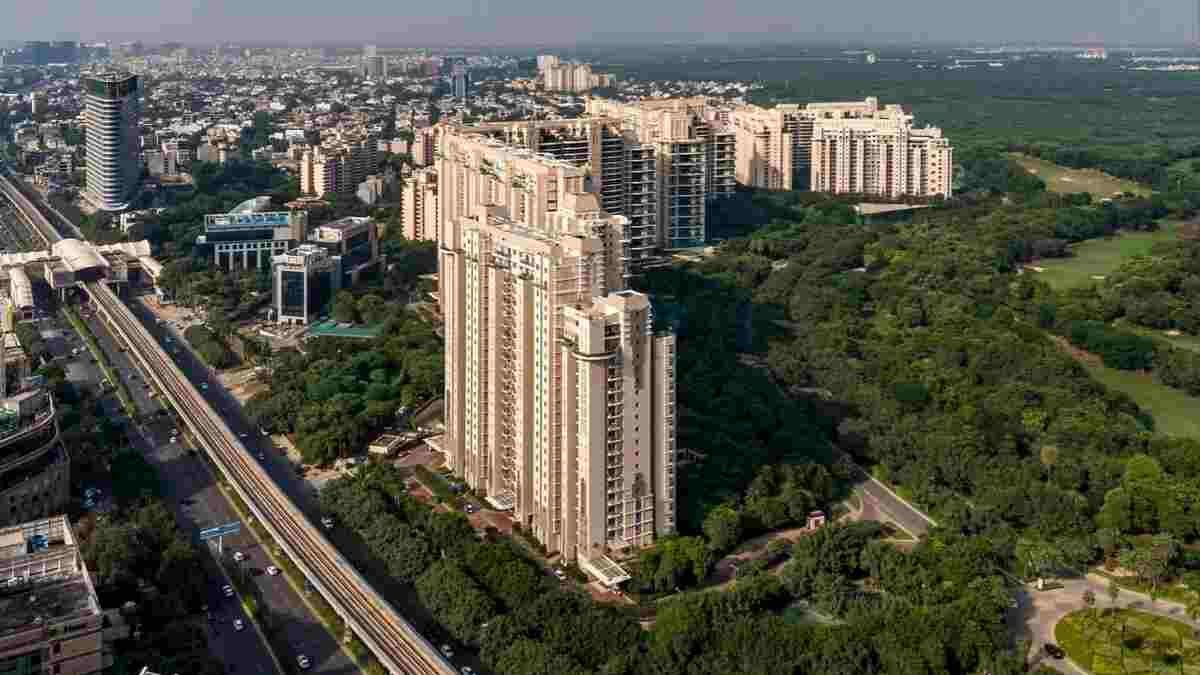
While low-density living often evokes an idyllic picture of serenity and space, Prateek Canary in Noida’s Sector 150 transforms that vision into a tangible lifestyle. Designed as a statement of refined luxury, the project offers sweeping panoramic views of lush greens, complemented by expansive private decks that invite residents to slow down and soak in the calm. Spread across 12.55 acres with only 664 residences, Prateek Canary exemplifies exclusivity through thoughtful restraint—3 and 4 BHK homes and duplex penthouses that merge elegance with openness. Every detail, from the thematic island entrance to the forest trail and the amphitheatre-styled lawn, is conceived to blur the boundaries between luxury and nature.
Its appeal is further elevated by its enviable address. Located in Sector 150, Noida’s greenest and most meticulously planned sector, the project sits amid a landscape defined by manicured parks, serene lakes, artful sculptures, and tree-lined walkways. The sector houses one of India’s largest urban parks, spanning 40 acres, and offers a 100-acre sports zone featuring an organic farm, children’s play areas, and even a 9-hole golf course. Together, these elements create a rare balance of luxury and livability, making Prateek Canary not just a home, but a haven where space, greenery, and wellness converge to define the new essence of modern exclusivity.
Besides, the rise of low-density communities is not a coincidence; it’s a reflection of how deeply lifestyle priorities have evolved. The post-pandemic world redefined the meaning of home, with hybrid work and flexible routines placing greater value on calm, spacious environments over mere proximity to office corridors. The desire to live amid greenery and open skies has steadily outpaced the once-dominant need for central locations. Developers like Prateek Group, attuned to this sentiment, are pivoting towards premium low-density offerings that deliver both luxury and lifestyle.
Thus, low-density communities are leading this redefinition, especially across NCR, where they offer a rare blend of prestige, comfort, and wellness-driven living. For developers, crafting such space-centric environments, with fewer residences, generous green vistas, and thoughtful master planning, has become the new marker of sophistication.