Tag: multi-generational homes

  • Homes as Heirlooms – The Emotional Value of Luxury Real Estate in NCR

    Homes as Heirlooms – The Emotional Value of Luxury Real Estate in NCR

    Delhi NCR: Luxury homes in NCR are no longer viewed merely as markers of affluence or shrewd investments; they are increasingly being cherished as heirlooms, legacies that families aspire to pass down through generations. In a region where property ownership has always carried deep cultural significance, the meaning of luxury is evolving from opulence alone to something more about spaces that hold stories, memories, and traditions. Buyers are investing in an enduring symbol of identity, belonging, and aspiration, one that can stand as a family’s emotional anchor for years to come.

    For many families, a luxury home is the anchor around which generations gather, celebrate milestones, and weave shared memories. In India’s cultural ethos, property has always been synonymous with security, prestige, and permanence, and in the NCR’s luxury segment, this sentiment is only deepening. Here, “luxury” is no longer defined solely by scale or extravagance; it is measured by timeless design, enduring comfort, and the ability to create a sense of belonging. These homes embody continuity, carrying forward both emotional and cultural value that extends well beyond material worth.

    The NCR has emerged as the epicentre of this heirloom-driven evolution in luxury housing, shaped by its concentration of HNIs and UHNIs who view real estate as both a legacy and a lifestyle statement. Micro-markets in Delhi-NCR are witnessing a surge in demand from families seeking homes that hold enduring value—spaces that will remain relevant and aspirational for future generations.

    According to a CBRE-ASSOCHAM report, India’s luxury housing segment witnessed an 85% year-on-year growth in the first half of 2025, with nearly 7,000 high-end residential units sold across top cities. Delhi-NCR led this surge, clocking sales of approximately 4,000 luxury units (a threefold annualised increase), accounting for 57% of the total luxury segment.

    Besides, developers in NCR are increasingly attuned to this heirloom mindset, crafting homes that are built to endure both in form and in meaning. Timeless architecture, sustainable construction practices, and layouts designed for multi-generational living are becoming central to their vision. Beyond structural longevity, the focus is on bespoke amenities that allow homes to age gracefully, retaining their charm and value as families grow.

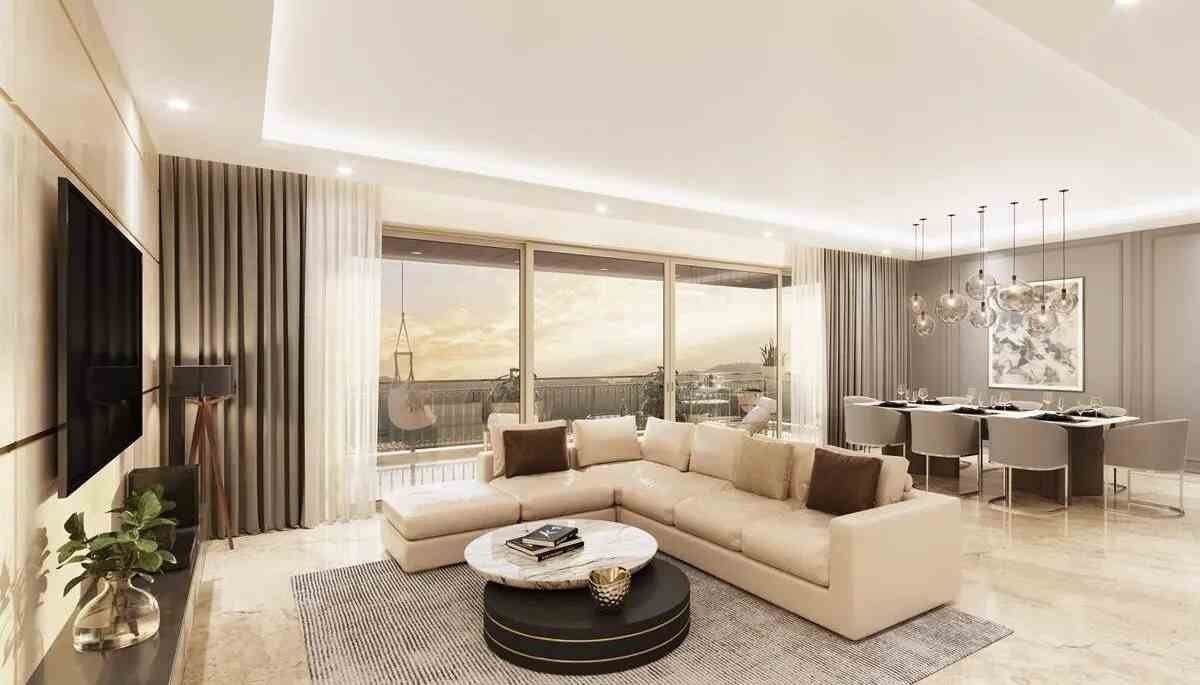
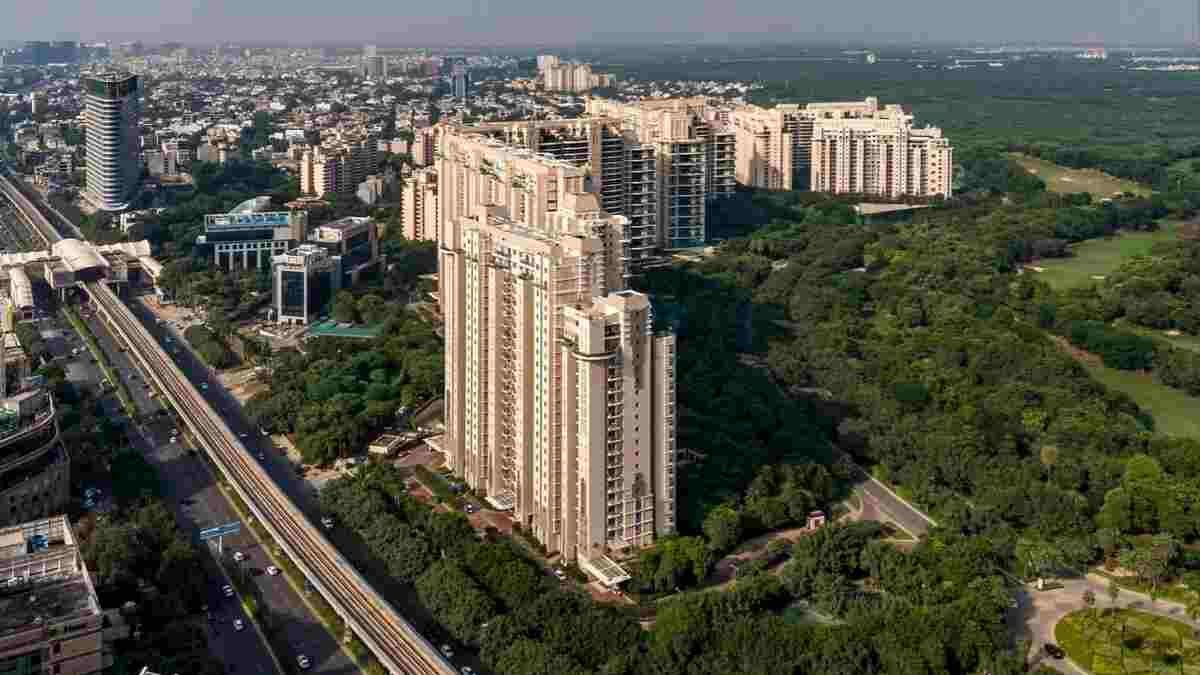
    A clear reflection of this philosophy can be seen in the vision of Prateek Group, which has long championed the idea of homes as lasting legacies. Guided by a belief that true luxury lies in legacy, Prateek Group crafts homes with precision, sustainability, and emotional depth—spaces envisioned to resonate across generations. With sprawling green landscapes, thoughtfully planned residences, and a wide array of wellness and lifestyle amenities, Prateek Grand City in Siddharth Vihar goes beyond being a residential township to create a self-sufficient environment where families can truly thrive. It is designed as a place where generations can grow together, build lasting bonds, and remain connected through the years. On the other hand, Prateek Canary in Noida’s Sector-150 stands as a benchmark of aspirational living, designed for families who wish to pass down not just a home, but a symbol of refined luxury and timeless elegance. Its low-density design, resort-style club amenities, and expansive balconies overlooking lush greens reflect a deep understanding of modern, multi-generational lifestyles.

    Thus, the future of luxury real estate in NCR lies in its ability to balance emotional and financial value, with homes increasingly positioned as intergenerational assets rather than short-term investments. This shift is steering the market toward residences that are deeply personalised, curated to reflect not just lifestyle preferences but family legacies. By blending heritage with modern aspirations and future-ready design, NCR is redefining what it means to invest in a home.
  • Luxury Homes: Designed for Generations, Not Just Residents

    Luxury Homes: Designed for Generations, Not Just Residents

    India’s luxury real estate sector is undergoing a profound transformation. No longer defined solely by opulence or high-end amenities, today’s luxury homes are increasingly being viewed through a generational lens. Affluent buyers are seeking more than immediate grandeur—they’re investing in homes that reflect continuity, legacy, and emotional permanence. The luxury home is now seen as an enduring asset, rooted in identity and designed to outlast trends and time.

    Legacy Living: From Lifestyle to Lineage

    Wealthy homeowners are moving away from transient lifestyle purchases and embracing a legacy-driven perspective. The luxury home is evolving into a modern-day heirloom—one that grows richer with memories, milestones, and multigenerational stories. These homes are crafted to be passed down, gaining sentimental and material value with every generation. For many, there’s deep satisfaction in gifting a space that carries forward the family’s story and spirit.

    Designing with Time in Mind

    As the purpose of luxury housing shifts, so too does its design philosophy. Developers are rethinking spatial layouts to support long-term adaptability. Multi-generational living is becoming a norm, and this is reflected in flexible floor plans, zoned areas for elders and children, and multi-purpose rooms that transition from office to lounge with ease. Importantly, homes are now being built with resilience and future-readiness—integrating smart technology, renewable energy infrastructure, EV charging stations, and sustainable materials. The result is an architecture of foresight—functional, elegant, and enduring.

    Blending Heritage with Modernity Across India’s Hubs

    This intergenerational approach is gaining strong traction across India’s major real estate markets—Delhi-NCR, Mumbai, and Bengaluru. Developers are weaving heritage aesthetics into contemporary frameworks, creating spaces that cater to both the present and future needs of discerning families. The emphasis is no longer just on building a house, but on crafting a legacy.

    Prateek Group: Building Homes That Span Generations

    At the forefront of this shift are visionary developers like Prateek Group, who see luxury as a lifelong experience, not a fleeting trend. Their philosophy embraces timeless design, intuitive layouts, and sustainable planning to ensure homes stay relevant through the decades.

    In Prateek Grand City (Siddharth Vihar), expansive green spaces, integrated wellness amenities, and self-sufficient infrastructure foster an environment where families can grow and stay connected across generations.

    Meanwhile, Prateek Canary, nestled in Noida’s premium Sector 150, exemplifies refined living through its low-density design, resort-style amenities, and panoramic balconies overlooking landscaped greens. These homes don’t just house people—they nurture relationships, routines, and family continuity.

    The New Blueprint: Flexible, Future-Proof, and Familial

    As family structures evolve, real estate design is adapting in step. Developers are prioritising:

    • Flexible layouts that accommodate evolving family roles

    • Inclusive zones for seniors and young children

    • Adaptable spaces that shift between work, play, and relaxation

    This thoughtful spatial planning ensures that homes remain responsive to changing needs, preserving both form and function for years to come.

    Conclusion: Homes as Heirlooms of the Future

    Luxury homes are no longer just status symbols—they are sanctuaries of legacy. The Indian real estate narrative is shifting toward emotional durability, architectural foresight, and generational value. Developers are not merely building for today—they are shaping ecosystems that resonate with the rhythms of evolving family life.

    In this new paradigm, a luxury home is not just where you live—it’s what you leave behind.