Tag: Make in India

  • AiMeD Welcomes Government’s Withdrawal of QCOs on Key Raw Materials; Calls for Next Reform on NOC Removal

    AiMeD Welcomes Government’s Withdrawal of QCOs on Key Raw Materials; Calls for Next Reform on NOC Removal

    New Delhi, 17 November 2025: The Association of Indian Medical Device Industry (AiMeD) has welcomed the Government of India’s landmark decision to withdraw multiple Quality Control Orders (QCOs) imposed in recent years on essential raw materials across polymer, plastic, textile, and chemical value chains. The reversals, notified in the Gazette on 12 November 2025, cover critical inputs such as ABS, polypropylene, polyethylene, polyester fibres and other raw materials widely used by medical device manufacturers.

    This policy correction follows extensive submissions by AiMeD and other industry stakeholders to the Rajiv Gauba Committee at NITI Aayog and the RIS. Industry had consistently highlighted that mandatory BIS standards for raw materials were functioning as unintended import restrictions. India does not produce many of the high‑grade polymers required for precision moulding and steel grades for making high‑performance components, and export‑quality medical devices. As a result, QCOs were forcing manufacturers to rely on lower‑grade domestic substitutes or face long delays and higher costs in accessing globally compliant inputs.

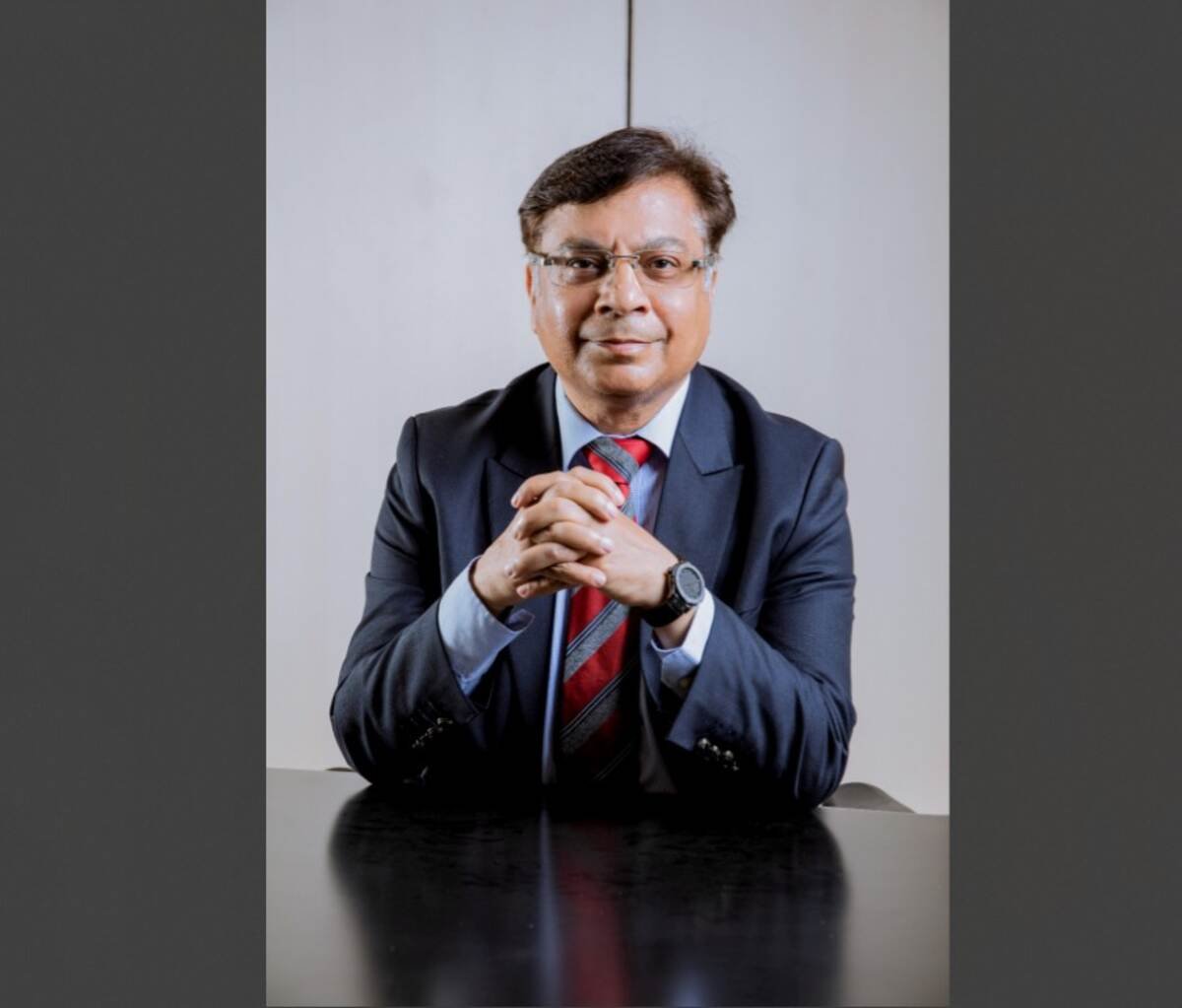
    Welcoming the decision, Mr. Rajiv Nath, Forum Coordinator, AiMeD, said:
    “It’s a good decision – as the BIS licence was being used as an import restriction on plastics and steel raw materials. Technical regulations should be applied only to finished consumer goods, including medical devices, as a Make in India enabler and to protect consumers’ interests. But by not allowing us to import the right grades and quality of raw materials from Switzerland or Japan – and forcing us to buy low‑grade, low‑performance quality Indian materials that did not meet the performance needs of discerning manufacturers – we were not becoming globally competitive. We had kept our case to the Rajiv Gauba Committee at NITI Aayog and are glad the Government listened empathetically and acted on our concerns.”

    The withdrawn QCOs covered a wide range of polymer and chemical intermediates that form the backbone of syringes, IV sets, catheters, diagnostic consumables, packaging materials, and other medical devices. India’s domestic supply base does not yet manufacture many of these materials at global specifications, making access to imported grades essential for ensuring product safety, performance, and export readiness.

    AiMeD believes this step will ease input shortages, reduce compliance delays, lower manufacturing uncertainty, and improve India’s competitiveness in global markets. It also reflects a welcome shift toward a pragmatic regulatory approach—evaluating risk at the level of finished products rather than imposing blanket controls on upstream raw materials.

    Next Step: Removal of NOCs

    AiMeD has urged the Government to now advance the next reform prioritized in its submissions to the Gauba Committee—the removal of No Objection Certificate (NOC) requirements imposed by various agencies for the import of raw materials, intermediates, and components or reimporting returned export shipments and even at various stages of putting up a green field manufacturing project. These NOCs are usually arbitrary and not backed by legislation or Executive Orders and often duplicate regulatory functions, create procedural delays, and act as non‑tariff barriers that not only weaken the Ease of Doing Business framework but also add to cost of doing business and make manufacturing less competitive or appealing option.

    A streamlined system focused on regulating finished medical devices—combined with post‑market surveillance and internationally harmonised standards—will further strengthen India’s Make in India ambitions and support the growth of the domestic MedTech ecosystem.

    AiMeD’s Commitment

    AiMeD will continue working closely with the Government, BIS, and relevant Ministries to advance rational, risk‑based regulations that safeguard patient safety while fostering innovation, affordability, and global competitiveness.

    About AiMeD

    The Association of Indian Medical Device Industry (AiMeD) is the umbrella body representing over 1,800 manufacturers of medical devices across India. AiMeD works closely with government and stakeholders to strengthen India’s MedTech ecosystem, promote self‑reliance, ensure patient safety, and build global competitiveness. The association advocates for supportive policies, quality standards, and capacity building to make India not only self‑sufficient but also a global hub for affordable and high‑quality medical devices.

  • UltraVibrant Solar to Scale EPC & Tech in 6 Key States; Aims to Lead India’s Green Transition

    UltraVibrant Solar to Scale EPC & Tech in 6 Key States; Aims to Lead India’s Green Transition

    The company eyes expansion across key growth markets, including Rajasthan, NCR, Gujarat, MP, Uttar Pradesh, and Maharashtra.

    UltraVibrant Solar Energy Pvt. Ltd. (UVSEPL), one of India’s fastest-growing renewable energy EPC and technology integration companies, has announced an ambitious expansion roadmap targeting ₹1,500 crore turnover by FY 2026–27. As part of this growth plan, the company aims to create over 15,000 direct and indirect jobs across its EPC, manufacturing, and technology divisions in key markets, including Rajasthan, NCR, Gujarat, Madhya Pradesh, Uttar Pradesh, and Maharashtra.

    Building on its decade-long expertise in delivering high-quality solar EPC and energy storage solutions, the company unveiled a major strategic collaboration with Lithina Energy to accelerate India’s energy storage capabilities at the Renewable Energy India (REI) Expo 2025, Asia’s largest clean energy exhibition held at the India Expo Centre & Mart, Greater Noida. Together, they announced the launch of Lithina Energy’s Battery Energy Storage System (BESS) manufacturing facility in Jaipur, Rajasthan.

    Battery Energy Storage Systems (BESS) remain among India’s rarest technologies, playing a vital role in grid flexibility, peak load management, and sustainable power delivery. India’s BESS market was valued at around $7.8 billion (₹65,130 crore) in 2024 and is projected to reach $32 billion (₹2.67 lakh crore) by 2030— an impressive compound annual growth rate (CAGR) of 26%. In H1 2025, India’s BESS capacity saw major expansion, with 7.6 GW allocated to developers, marking the country’s highest BESS allocation to date.

    This collaboration reinforces UltraVibrant Solar’s commitment to technological self-reliance and positions the company at the forefront of India’s emerging energy storage ecosystem. The indigenous plant will produce advanced lithium-based systems for industrial, commercial, and utility-scale applications, aligning with the Make in India and Aatmanirbhar Bharat initiatives. The facility is expected to generate over 500 skilled jobs in the near term while strengthening India’s energy resilience and enabling round-the-clock renewable power integration.

    Rajeshwar Singh, Managing Director, UltraVibrant Solar, said, “Energy storage represents the next leap in India’s renewable revolution. Our partnership with Lithina Energy marks a pivotal step toward achieving that goal through indigenous manufacturing. With the Jaipur BESS facility, we are building a robust domestic value chain that reduces import dependency and strengthens national energy security. UltraVibrant has always believed in technology-led execution, and this initiative reflects our vision of a self-reliant, sustainable India powered by innovation, skilled employment, and clean energy excellence.”

    Sanyam Changani, Chief Executive Officer, Lithina Energy, added, “India’s renewable journey cannot reach its full potential without scalable, home-grown energy storage systems. Our collaboration with UltraVibrant Solar brings together proven EPC execution and advanced battery R&D under one roof. The Jaipur BESS facility will not only serve India’s growing industrial and utility demand but also set benchmarks for quality, reliability, and local innovation. Together, we are laying the groundwork for India’s next phase of renewable growth—where solar and storage converge seamlessly.”

    Founded in 2014, Ultra Vibrant Solar has established itself as one of India’s most dynamic renewable energy solutions providers, with a strong presence across key states including Rajasthan, Maharashtra, Gujarat, Madhya Pradesh, Uttar Pradesh, Haryana, Punjab, and the Delhi NCR. The company has developed more than 26 MWp of IPP renewable assets and executed over 47MW rooftop under the EPC model, while another 16 MWp of IPP projects are currently under development. UVS is actively participating in government-backed solar programmes, including PM-KUSUM, PM Surya Ghar Muft Bijli Yojana, and the National Solar Mission, supporting India’s large-scale sustainable development ambitions.

    Over the past decade, the company has delivered 225+ MW of Solar EPC and BESS projects across India, serving 125+ customers with an 85% repeat clientele rate. UVS has completed 225+ projects, including 47 MWp rooftop, 250 MWp ground-mount, and 26 MWp self-IPP installations. With a network of 400+ suppliers and 60+ I&C partners, UltraVibrant is recognized for its strong execution capabilities and system-driven delivery. It has received several national accolades, including the Best EPC Award, Rajasthan Solar Ratna, Innovation in Renewable Energy Award, State Leadership Award, and Company of the Year – Solar System Integrator (2025).

    With innovation and integrity at its core, UltraVibrant Solar is poised to shape the next decade of India’s clean energy transformation, combining EPC excellence, indigenous manufacturing, and advanced energy storage integration.

  • PM-KUSUM & BESS: Ultra Vibrant Solar’s Vision at REI Expo

    PM-KUSUM & BESS: Ultra Vibrant Solar’s Vision at REI Expo

    Greater Noida, October 27th, 2025: The Renewable Energy India (REI) Expo 2025—Asia’s largest clean energy exhibition—is scheduled to be held from 30 October to 1 November at the India Expo Centre & Mart, Greater Noida. The three-day event will bring together global innovators, investors, and policymakers shaping the future of sustainable power and will showcase groundbreaking advancements in solar, energy storage, and bio-energy technologies that are redefining India’s renewable energy landscape.

    At the heart of this year’s expo are Ultra Vibrant Solar and Lithina Energy, two pioneering forces driving innovation across solar power generation and integrated energy storage. Together, they are set to demonstrate how next-generation technologies can transform India’s clean energy ecosystem and accelerate the nation’s transition toward a net-zero future.

    Founded in 2010, Ultra Vibrant Solar has established itself as one of India’s most dynamic renewable energy solutions providers, with a strong presence across key states including Rajasthan, Maharashtra, Gujarat, Madhya Pradesh, Uttar Pradesh, Haryana, Punjab, and the Delhi NCR. The company has developed more than 1.5 GWp of IPP renewable assets and executed over 4.2 GWp globally under the EPC model, while another 1.9 GWp of projects are currently under development. UVS is actively participating in government-backed solar programmes including PM-KUSUM, PM Surya Ghar Muft Bijli Yojana, and the National Solar Mission, supporting India’s large-scale sustainable development ambitions.

    To accelerate technology integration and support the nation’s energy storage roadmap, Ultra Vibrant Solar will unveil a major strategic initiative at the expo: the launch of Lithina Energy’s Battery Energy Storage System (BESS) manufacturing facility in Jaipur. The indigenous facility will focus on high-performance lithium-based systems for industrial, commercial, and utility-scale deployments and is aligned with Make in India and Aatmanirbhar Bharat objectives. This initiative is expected to create 500+ skilled jobs in the near term.

    Speaking about the collaboration, Mr. Rajeshwar Singh, MD, Ultra Vibrant Solar said, “Our partnership with Lithina Energy reflects a shared vision—to move beyond generation and into the future of storage and integration. Our in-house EPC capabilities, combined with Lithina’s expertise in energy storage, allow us to deliver smarter, more efficient, and sustainable energy solutions that align with India’s decarbonization and ESG goals.”

    Commenting on the partnership, Mr. Sanyam Chhangani, CEO, Lithina Energy, said, “Our focus has always been on creating energy storage solutions that are not only technologically advanced but deeply aligned with India’s clean energy ambitions. Through our collaboration with Ultra Vibrant Solar, we are showcasing the future of renewable integration where storage becomes the backbone of reliability, flexibility, and grid independence. The REI Expo 2025 is the ideal platform to demonstrate how smart storage innovations can unlock accelerated solar adoption and help India move confidently closer to its net-zero commitment.”

    The REI Expo 2025, now in its 18th edition, is expected to attract over 55,000 professionals and more than 1,000 global brands. Spread across 14 innovation halls, it will include 10 dedicated solar and bio-energy zones and, for the first time, a comprehensive Energy Storage Conference—reflecting the sector’s evolving priorities. Highlights such as the Solar Premier League, International Country Pavilions, and the Global Exhibitor Showcase will make the event a truly international platform.

    The collaboration between Ultra Vibrant Solar and Lithina Energy is among the most anticipated showcases at the expo. Their joint presentation will feature next-gen solar modules, intelligent energy storage systems, and scalable integrated solutions that address both utility-scale and distributed energy requirements.

    With innovation, collaboration, and sustainability at its core, the partnership between Ultra Vibrant Solar and Lithina Energy stands as a shining example of how technology and synergy can power India’s renewable future—efficiently, sustainably, and at scale.