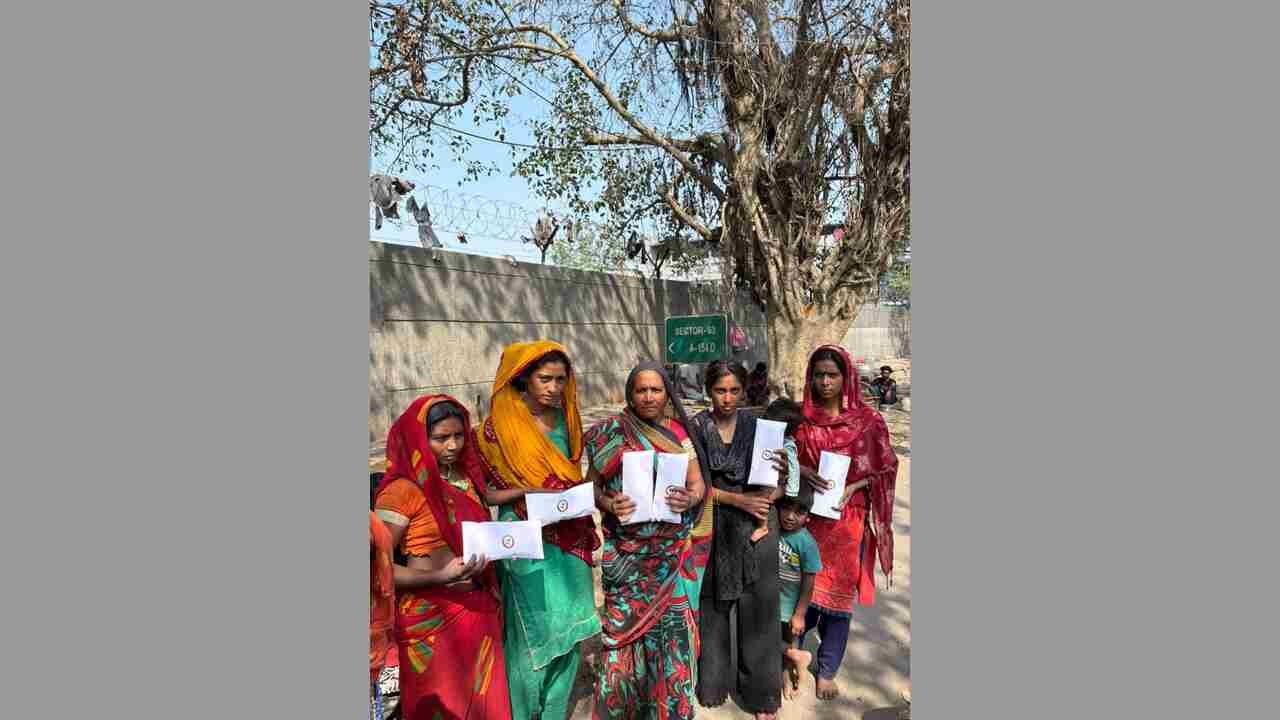
ICCPL Foundation, the CSR arm of ICCPL Group, led a menstrual hygiene awareness and pad distribution drive across Noida and Indirapuram under its #RahatWithICCPL initiative. Starting from International Women’s Day through the auspicious period of Navratri, the effort focused on improving access to sanitary products while promoting safe menstrual practices.
The drive aimed to address persistent gaps in awareness and accessibility, while discouraging the use of unsafe alternatives. Through direct community engagement, ICCPL Foundation facilitated conversations around menstrual health—a topic that continues to face stigma and limited awareness. Alongside product distribution, the outreach placed emphasis on education as a key enabler of long-term behavioural change.

Commenting on the initiative, Ambika Saxena, CEO, ICCPL Foundation, said, “For us, initiatives under #RahatWithICCPL are not campaigns; they are commitments we carry forward with intent and empathy. This menstrual health effort was designed to move beyond symbolic observances and focus on consistent, on-ground engagement. Extending from Women’s Day to Navratri, it allowed us to connect two important moments through a shared purpose: supporting women in ways that are practical and relevant. Menstrual hygiene remains an area where awareness and access need to go hand in hand. Through this effort, we aimed to contribute in a small but meaningful way by encouraging informed choices, addressing everyday challenges, and engaging directly with communities where such conversations are still limited.”
The outreach draws from the essence of Navratri, honouring Shakti not only through devotion, but through actions that support and empower women in their daily lives.
Under its flagship initiative #RahatWithICCPL, ICCPL Foundation has undertaken several community-led interventions, including a blanket distribution drive for the homeless during winter.
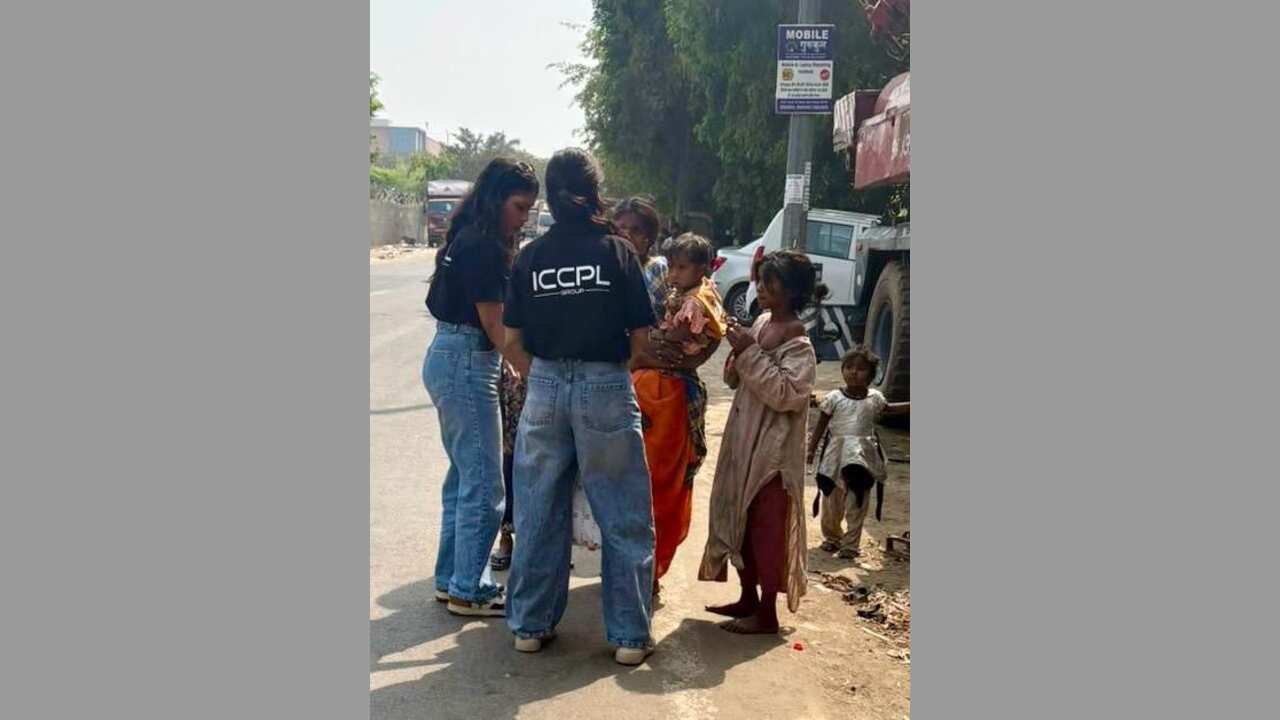
The Foundation continues to scale such efforts under #RahatWithICCPL, with a focus on strengthening awareness, improving access, and encouraging wider participation from communities and organisations working towards women’s health and dignity.
Leave a Reply